In short: Whisky distillation is the process of heating fermented wash in copper stills to separate alcohol from water and other compounds. Most single malt Scotch, including The Glenlivet, is distilled twice in copper pot stills to create a smooth, refined spirit before it is matured in oak casks. The type of still and the number of distillations both influence the whisky’s final flavour and character.
Making whisky is a centuries-old craft that transforms simple ingredients into the complex, flavourful spirit we know and love. It’s a meticulous process that involves several key stages, with distillation being one of the most important.
Here we share what’s involved in the distillation process including how we distill whisky here at The Glenlivet.
The basics of whisky distillation
Distillation is the stage of whisky making where the fermented wash is transformed into a clear, concentrated spirit. After malting, mashing and fermentation, the wash contains only a relatively low level of alcohol, along with water and hundreds of flavour compounds. Distillation separates and concentrates the alcohol while refining the spirit’s character.
The wash is heated inside a copper wash still until the alcohol begins to vaporise before the water. These vapours rise through the neck of the still and into a condenser, where they cool and return to liquid form as “low wines”. At The Glenlivet, this liquid is then distilled a second time in a spirit still to further refine the whisky.
During the second distillation, only the highest quality portion of the spirit—known as the “heart”—is collected for maturation. The lighter foreshots and heavier feints are separated and redistilled, ensuring only the smoothest, cleanest spirit is transferred into oak casks.
How whisky is distilled: pot stills vs column stills
Whisky distillation can be done using pot stills or column stills, depending on the type of whisky being produced.
Most single malt Scotch whisky, including The Glenlivet, is distilled in traditional copper pot stills. These operate in batches, allowing distillers to carefully control every stage of the process and create a rich, characterful spirit.
Grain whisky, by contrast, is more commonly distilled using continuous column stills, which produce a lighter spirit more efficiently. Both methods have their place, depending on the style of whisky being created.
If you’d like to learn more about how different still designs influence flavour, read our guide to whisky stills.
Distilling whisky at The Glenlivet
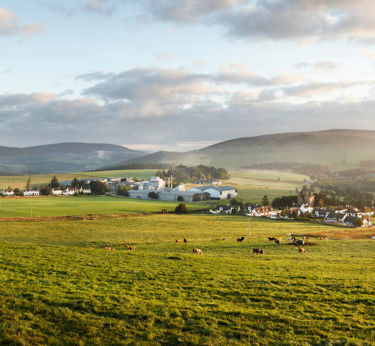
Honouring our heritage is key to how we make our scotch here at The Glenlivet. And the distillation process is no exception. When our founder George Smith first started making whisky over 200 years ago, he did so using time-honoured methods including the use of pot stills. And nothing’s changed since.
The Glenlivet distillery continues to use traditional copper pot stills to create our single malts. In fact we still distill our whisky in George Smith’s original lantern-shaped stills, a pioneering design that was the first of its kind. This is what gives The Glenlivet collection its signature smooth, fruity finish.
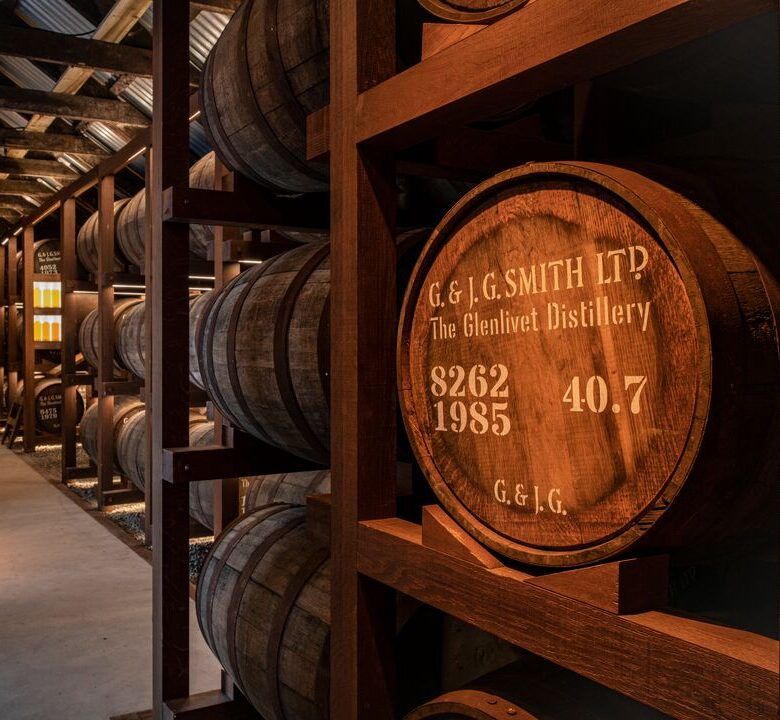
After distillation, the new spirit is transferred to oak casks for maturation. It’s during this stage that the whisky develops its complex flavours even further, taking on characteristics from the wood and the surrounding environment. The Glenlivet ages its whisky in a combination of American oak and European oak casks, each imparting different notes that enhance the final product.
Double vs. triple distillation
While double distillation is the norm for scotch whisky, some distilleries, particularly in Ireland, use triple distillation. This additional step results in a lighter spirit, however it can lose some of the rich, complex characteristics of single malt, which is why we stick to double distillation here at The Glenlivet.
Why distillation matters
Distillation is far more than simply increasing a whisky’s alcohol content. Every decision—from the type of still used to where the distiller makes the spirit cut—helps shape the whisky’s flavour, aroma and texture before it even reaches the cask.
At The Glenlivet, careful double distillation creates the smooth, balanced spirit that becomes the foundation of every expression in our collection.
Continue your whisky journey with our guides to how Scotch whisky is made, cask selection, and how barley is used in whisky to influence the flavour of your dram.